25 Superfoods That Boost Energy, Immunity, and Everyday Wellness (Backed by Science)
Adeola Oriire
In today’s fast-paced world, many people turn to supplements or quick fixes to feel healthier. But nature already provides everything we need in the form of nutrient-dense superfoods — whole foods packed with vitamins, minerals, antioxidants, and healthy fats. Unlike artificial shortcuts, these science-backed superfoods deliver long-term benefits that go beyond basic nutrition.
For example, blueberries are loaded with antioxidants like anthocyanins that protect cells from aging and support brain health. Salmon, rich in omega-3 fatty acids, helps reduce inflammation and improves cognitive function. Even everyday staples like garlic and oats have been shown to lower cholesterol, boost immunity, and support heart health.
Science strongly supports the power of these foods:
Harvard research shows that eating leafy greens daily lowers heart disease risk by up to 20%.
Nuts consumed five times a week are linked to a 39% lower risk of chronic disease mortality.
Daily servings of berries have been proven to improve memory and brain function in older adults.
The best part? These superfoods for energy and immunity are affordable, accessible, and easy to add to your meals. In this guide, we’ll explore 25 of the best superfoods that naturally boost energy, strengthen immunity, and support everyday wellness — plus simple ways to enjoy them daily.
🥗 25 Superfoods for Everyday Wellness, Energy, and Immunity
How Each Superfood Boosts Energy and Immunity — Plus How to Enjoy Them Daily
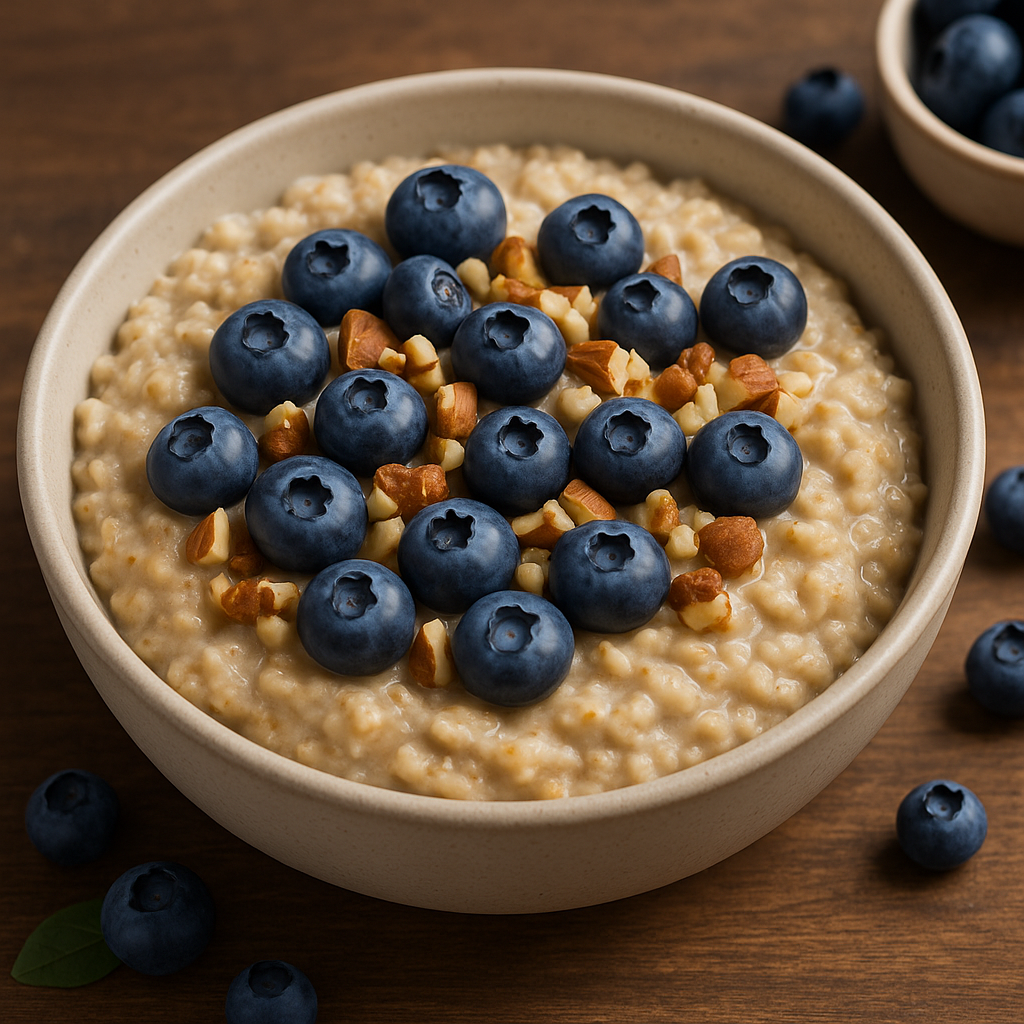
1.Blueberries: Antioxidant Superfood for Brain and Immune Health
Nutrients & Benefits: Blueberries are tiny but mighty. They’re packed with antioxidants, especially anthocyanins, which give them their deep blue color. Studies show they can help reduce oxidative stress, which contributes to aging and chronic diseases. In fact, a study from the Journal of Agricultural and Food Chemistry found that blueberry intake improved memory in older adults.
Wellness Impact: Just one cup of blueberries provides 24% of your daily vitamin C, supporting immune defense. Their fiber also keeps digestion healthy and blood sugar levels steady.
How to Eat: Add them to oatmeal, blend into smoothies, or enjoy as a snack. Frozen blueberries work just as well as fresh.
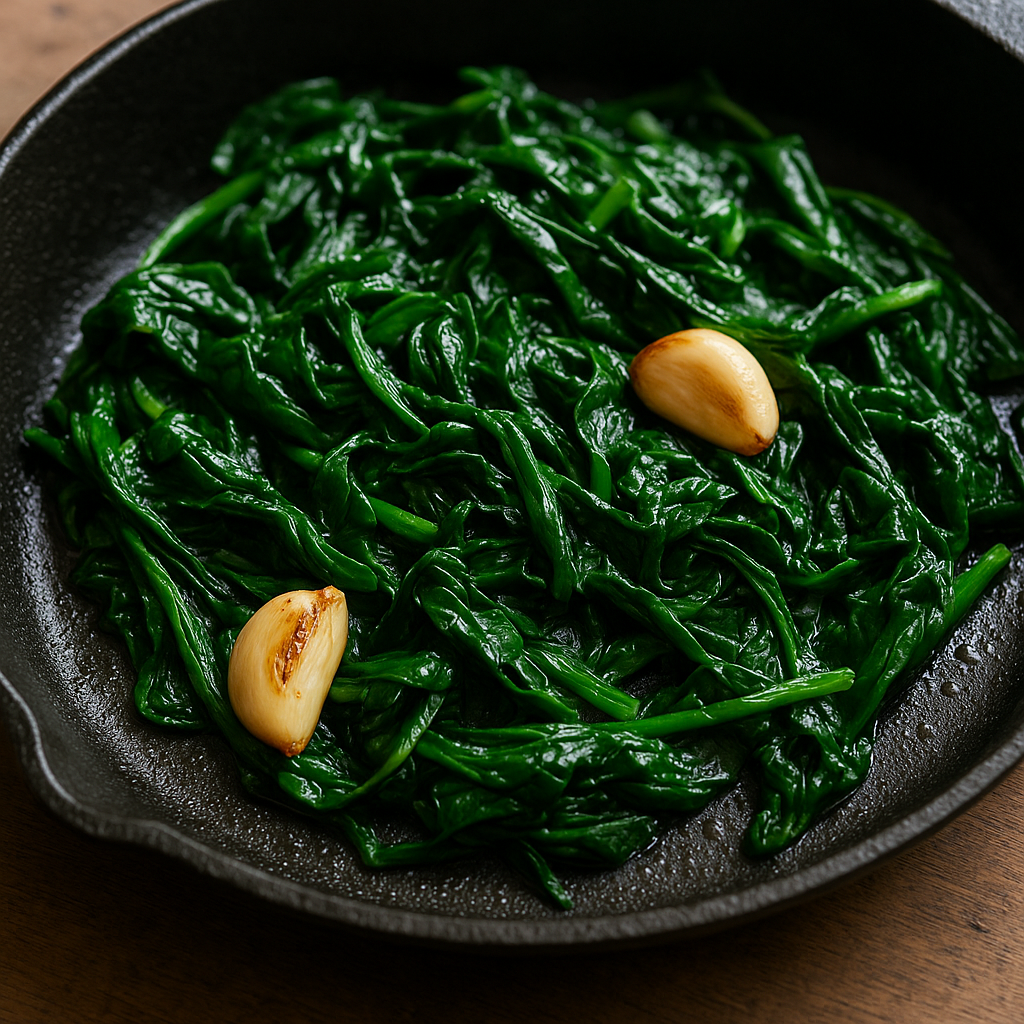
2.Spinach: Nutrient-Dense Leafy Green for Energy and Heart Health
Nutrients & Benefits: Spinach is one of the most nutrient-dense leafy greens. A single cup provides nearly all your daily vitamin K, plus iron, magnesium, and folate.
Wellness Impact: Harvard researchers found that people who ate leafy greens daily had a 16% slower rate of cognitive decline. Spinach also helps reduce blood pressure, thanks to nitrates that improve blood flow.
How to Eat: Use raw in salads, sauté with garlic, or blend into a smoothie for an invisible nutrition boost.
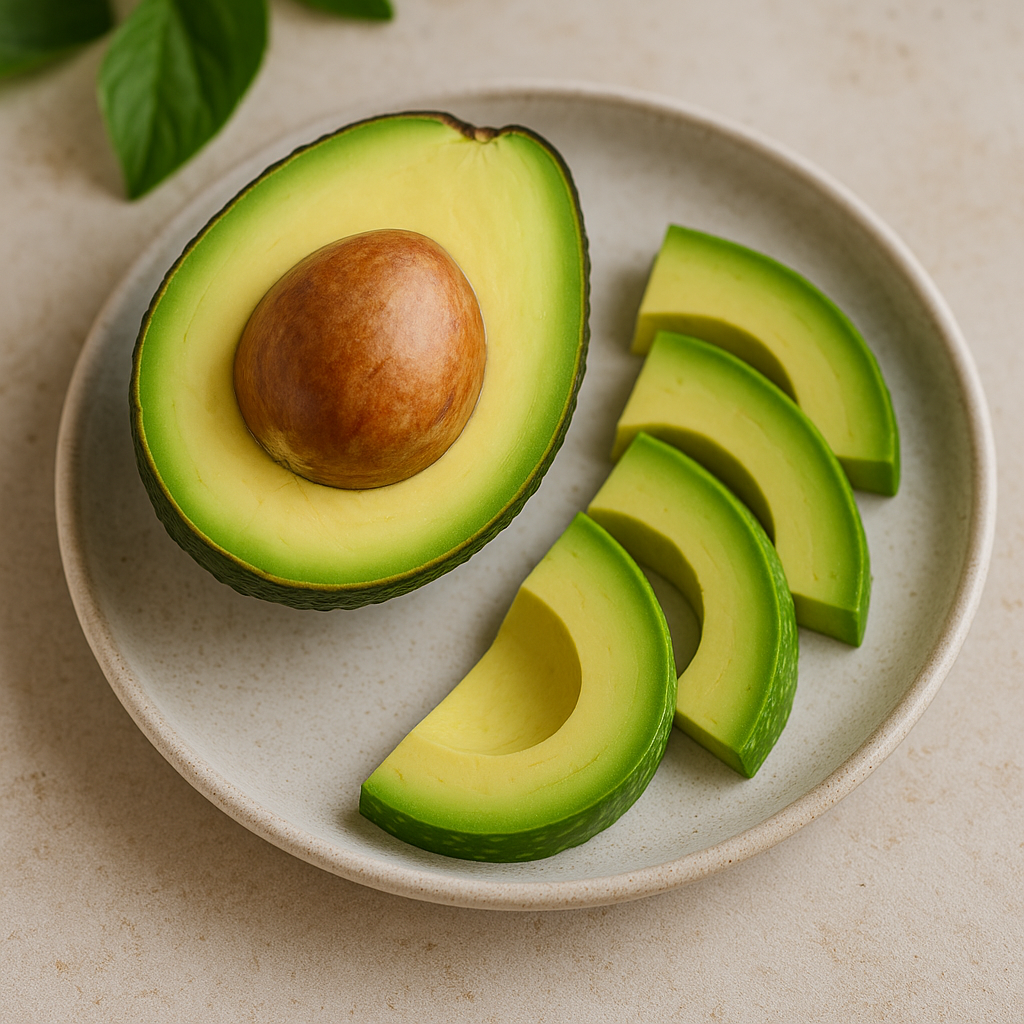
🥑 3. Avocados: Healthy Fats for Energy, Heart Health, and Wellness
Nutrients & Benefits: Salmon is one of the best sources of omega-3 fatty acids (EPA and DHA), which are essential for brain health and reducing inflammation. It also provides high-quality protein and vitamin D.
Wellness Impact: A review in the American Journal of Clinical Nutrition found that regular omega-3 intake reduces risk of heart attack by up to 30%. Omega-3s also improve mood and cognitive function.
How to Eat: Grill, bake, or pan-sear with herbs. For variety, try canned salmon — it’s affordable and nutrient-rich.
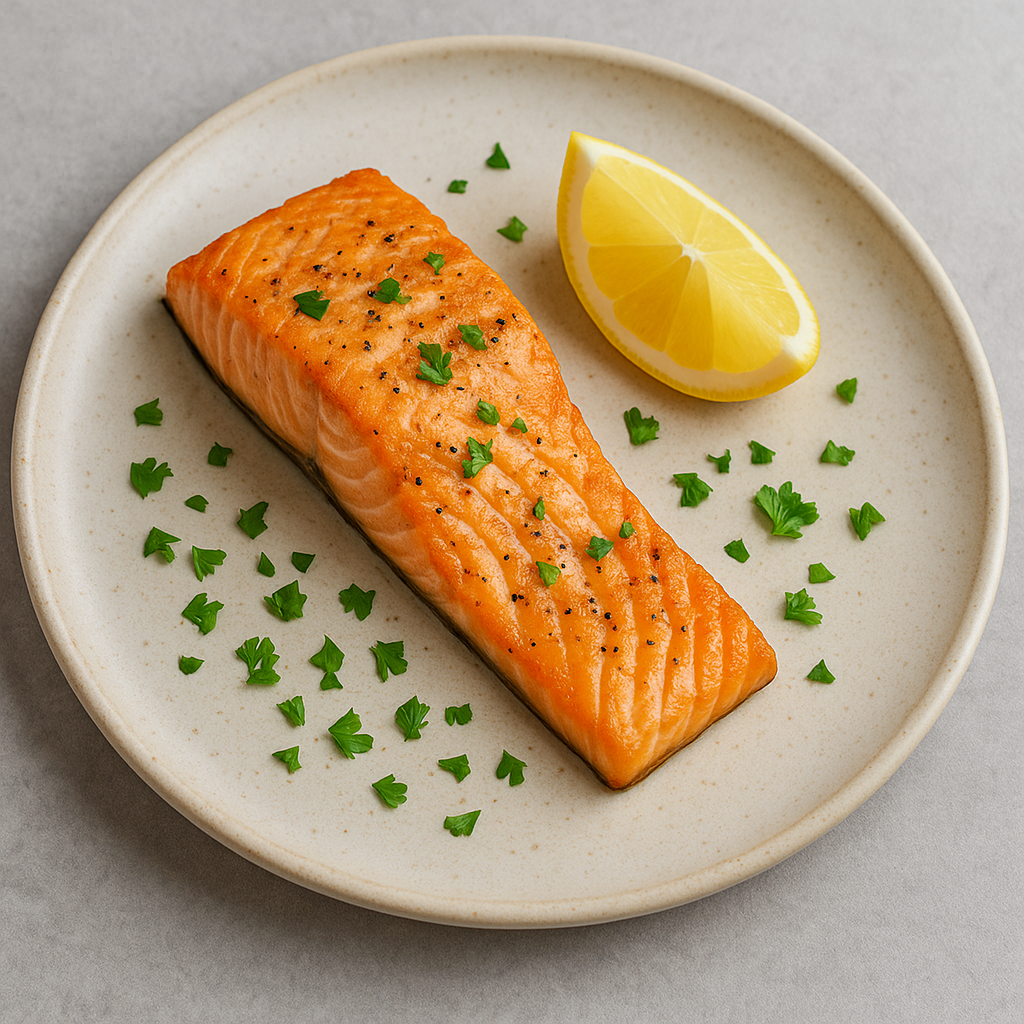
🐟 4. Salmon: Omega-3 Rich Superfood for Brain, Mood, and Heart
Nutrients & Benefits: Salmon is one of the best sources of omega-3 fatty acids (EPA and DHA), which are essential for brain health and reducing inflammation. It also provides high-quality protein and vitamin D.
Wellness Impact: A review in the American Journal of Clinical Nutrition found that regular omega-3 intake reduces risk of heart attack by up to 30%. Omega-3s also improve mood and cognitive function.
How to Eat: Grill, bake, or pan-sear with herbs. For variety, try canned salmon — it’s affordable and nutrient-rich.
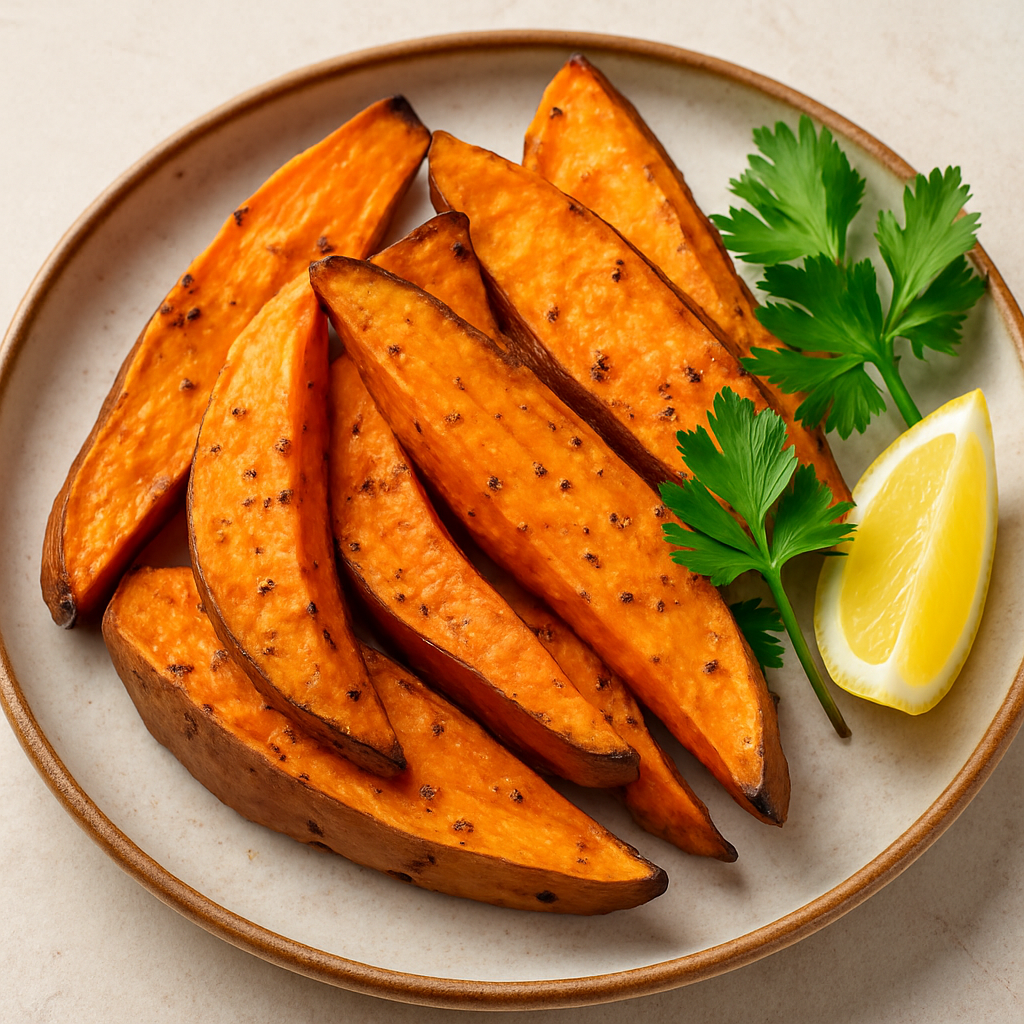
🍠 5. Sweet Potatoes: Beta-Carotene Superfood for Energy and Immunity
Nutrients & Benefits: Sweet potatoes are rich in beta-carotene, which the body converts into vitamin A. Just one medium sweet potato provides 400% of your daily vitamin A needs. They’re also high in fiber and potassium.
Wellness Impact: Beta-carotene supports eye health and immunity. Their slow-digesting carbs make them excellent for steady energy. Studies show high beta-carotene diets reduce risk of certain cancers.
How to Eat: Roast as fries, mash with spices, or bake whole and top with beans or avocado.
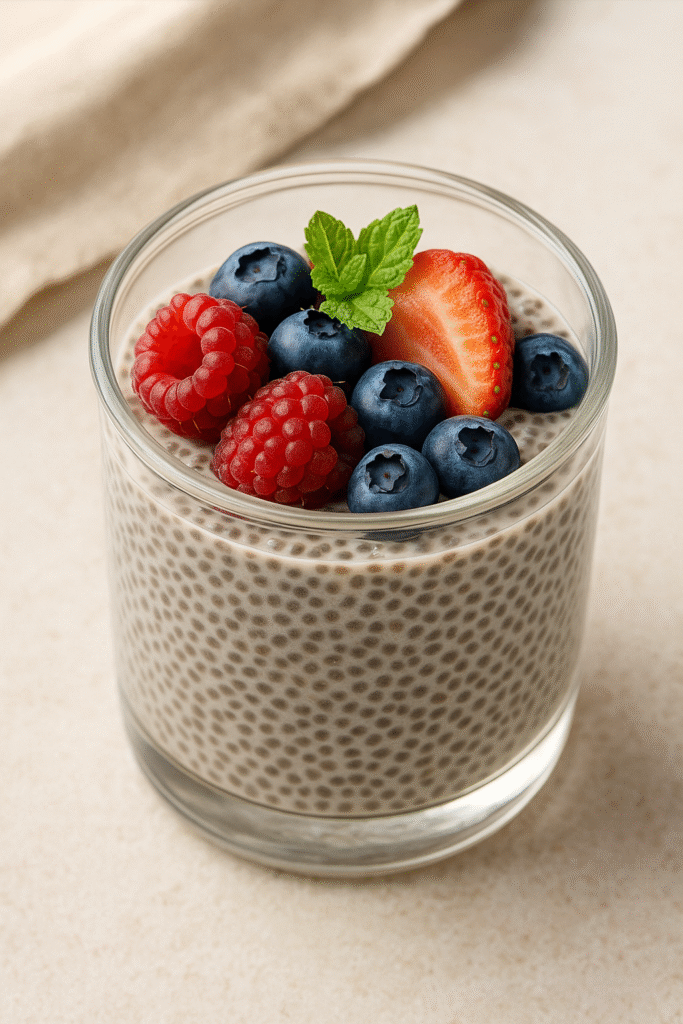
🌿 6. Chia Seeds: Fiber and Omega-3 Superfood for Digestion and Energy
Nutrients & Benefits: Chia seeds may be tiny, but they’re nutritional powerhouses. Just 2 tablespoons provide 10 grams of fiber, 5 grams of protein, and 5 grams of omega-3 fatty acids.
Wellness Impact: A study in Diabetes Care found that people with type 2 diabetes who consumed chia seeds daily had improved blood pressure and inflammation markers. Their fiber slows digestion, keeping blood sugar stable, while omega-3s support heart health.
How to Eat: Stir into overnight oats, blend into smoothies, or soak in almond milk to make chia pudding.
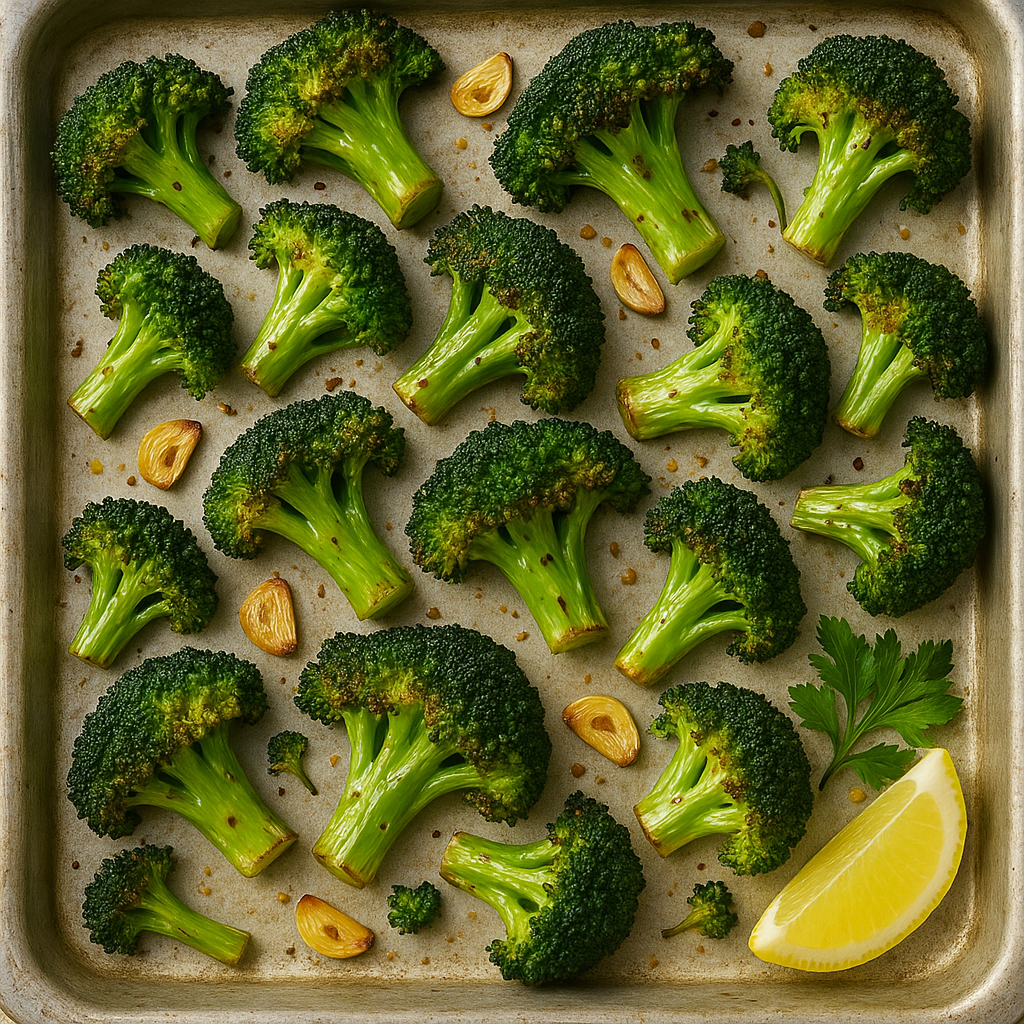
🥦 7. Broccoli: Vitamin-Rich Superfood for Immunity and Cancer Prevention
Nutrients & Benefits: Broccoli is loaded with vitamin C, vitamin K, and fiber, but its standout nutrient is sulforaphane, a compound shown to have anti-cancer properties.
Wellness Impact: Research published in Nutrition and Cancer shows sulforaphane may protect DNA and reduce the risk of chronic disease. One cup of broccoli provides 135% of your daily vitamin C, supporting strong immunity.
How to Eat: Steam lightly to retain nutrients, roast with olive oil, or add to stir-fries.
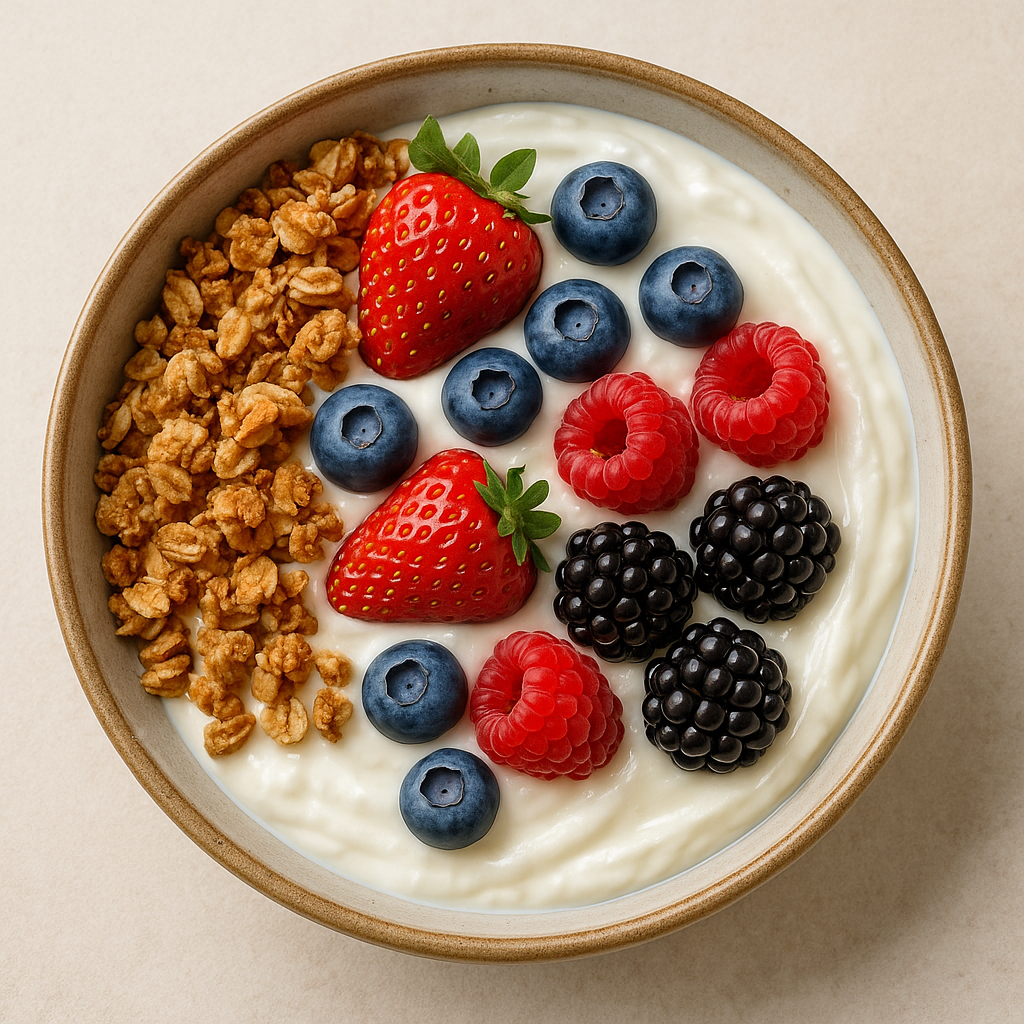
🍶 8. Greek Yogurt: Probiotic Superfood for Gut and Bone Health
Nutrients & Benefits: Greek yogurt contains twice the protein of regular yogurt, plus probiotics that support gut health. It’s also a good source of calcium for bone strength.
Wellness Impact: A study in the British Journal of Nutrition found regular yogurt consumption is associated with lower blood pressure and reduced obesity risk. Probiotics also balance gut bacteria, which play a key role in immunity.
How to Eat: Pair with fruit and nuts, blend into smoothies, or use as a base for dips.
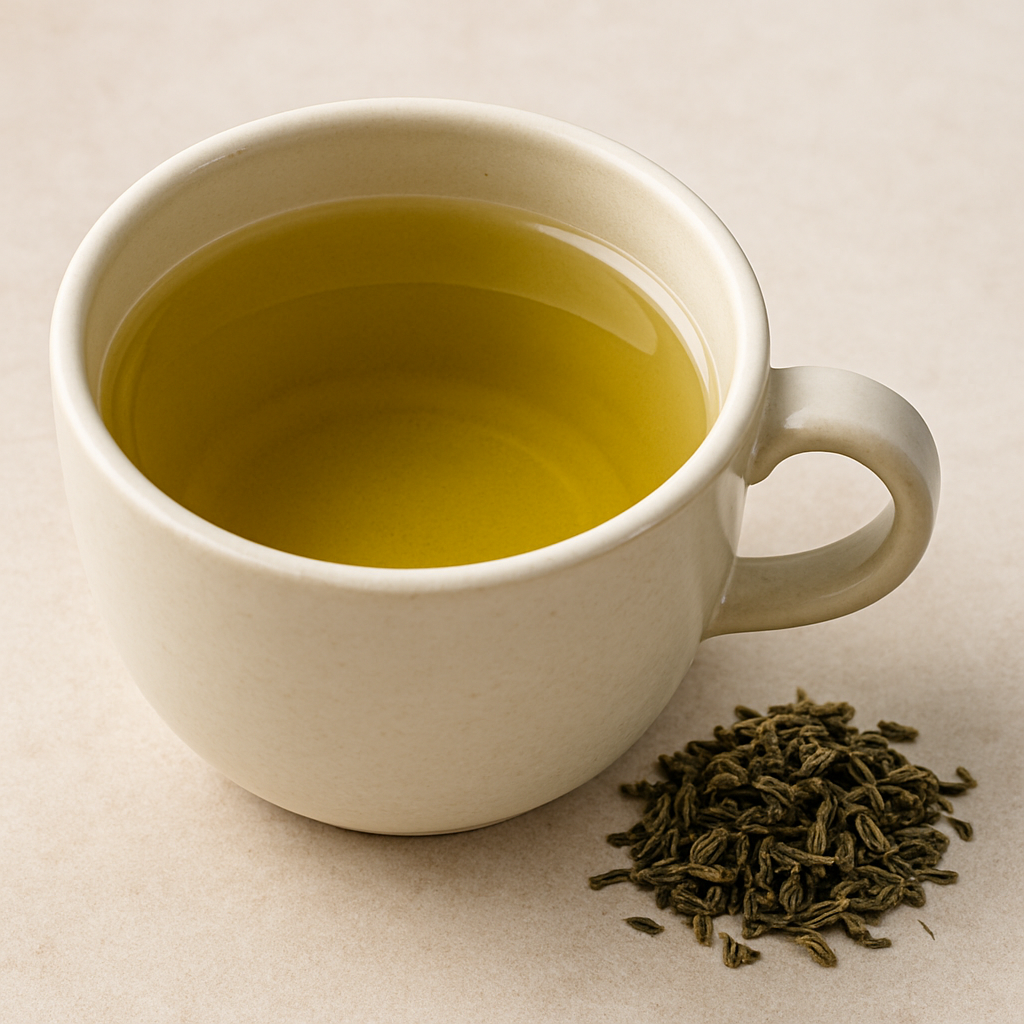
🍵 9. Green Tea: Antioxidant Superfood Drink for Metabolism and Focus
Nutrients & Benefits: Green tea is rich in catechins, especially EGCG, a powerful antioxidant. It also provides a gentle caffeine boost without the jitters of coffee.
Wellness Impact: Studies show green tea drinkers have a 31% lower risk of heart disease and improved brain function. Research also suggests it boosts metabolism, aiding in weight management.
How to Eat: Brew hot or iced; matcha powder offers a more concentrated dose of antioxidants.
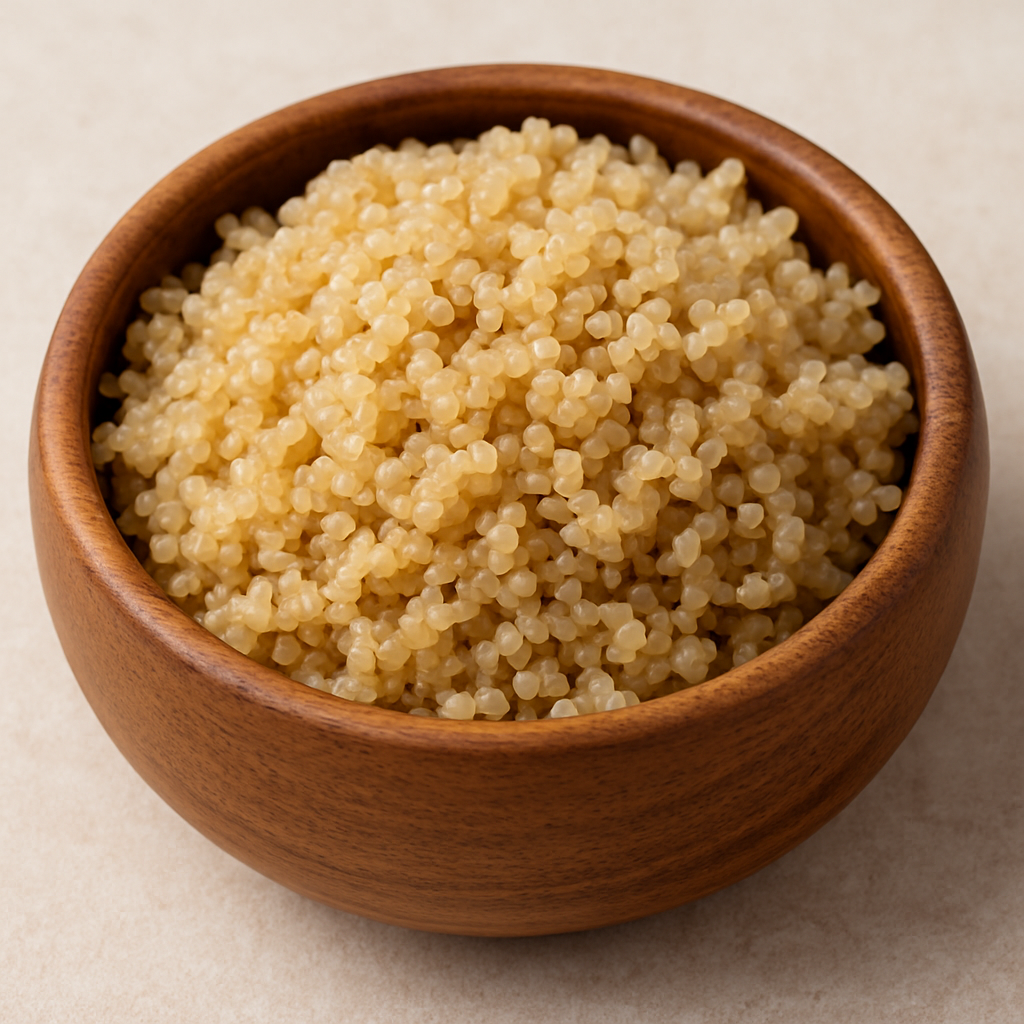
🌾 10. Quinoa: Plant-Based Protein Superfood for Energy and Recovery
Nutrients & Benefits: Quinoa is a rare plant food that provides all nine essential amino acids, making it a complete protein. It’s also high in fiber, iron, and magnesium.
Wellness Impact: A Harvard study linked higher whole grain intake (like quinoa) with a 17% lower risk of premature death. Its protein and fiber support muscle recovery and long-lasting energy.
How to Eat: Use as a rice substitute, toss into salads, or prepare as a breakfast porridge.
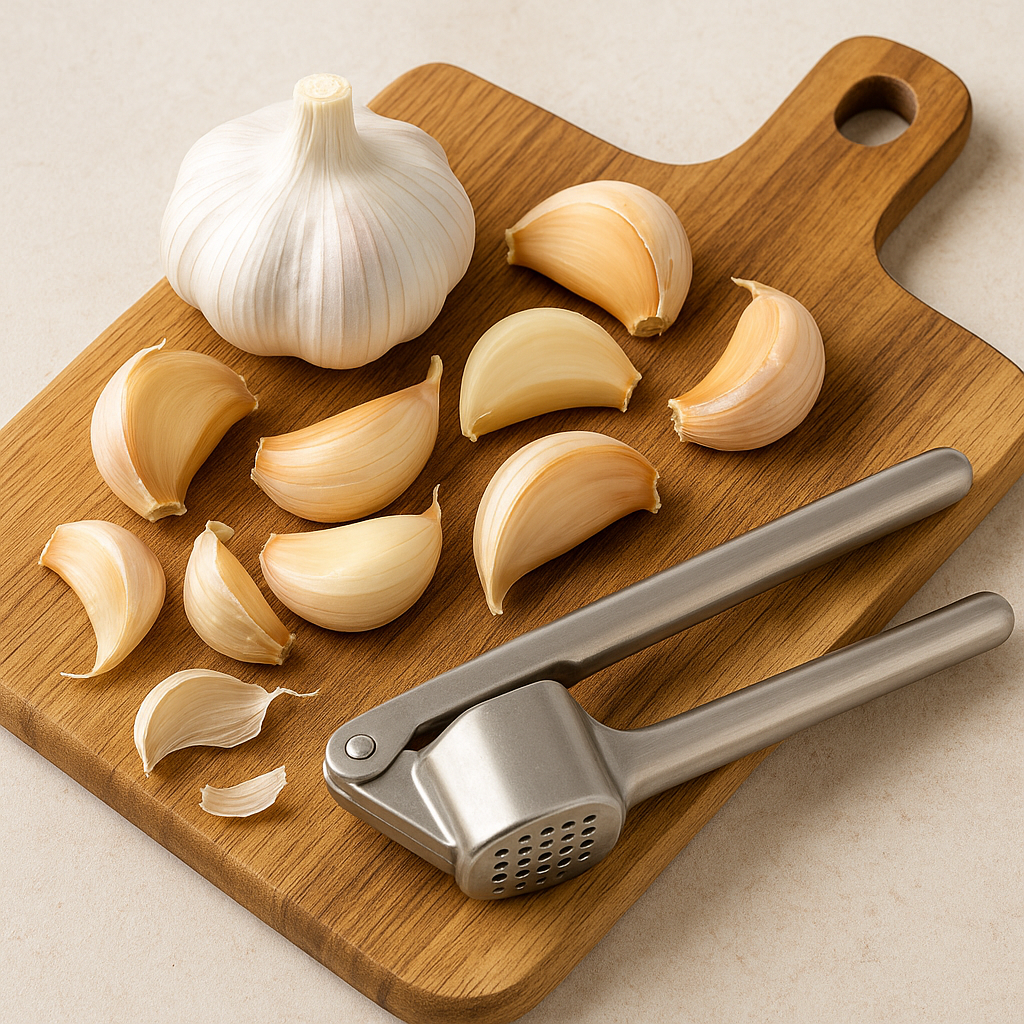
🧄 11. Garlic: Immune-Boosting Superfood for Heart and Wellness
Nutrients & Benefits: Garlic is rich in sulfur compounds, especially allicin, which gives it powerful medicinal properties. It also contains vitamin C, vitamin B6, and manganese.
Wellness Impact: A review in the Journal of Nutrition found garlic supplementation can reduce blood pressure by up to 8 mmHg systolic and 5 mmHg diastolic. It also boosts immune cell activity, helping the body fight infections. People who consumed garlic daily caught 63% fewer colds in one study.
How to Eat: Use raw in salad dressings for maximum potency, roast for a sweeter flavor, or add to soups and stir-fries.
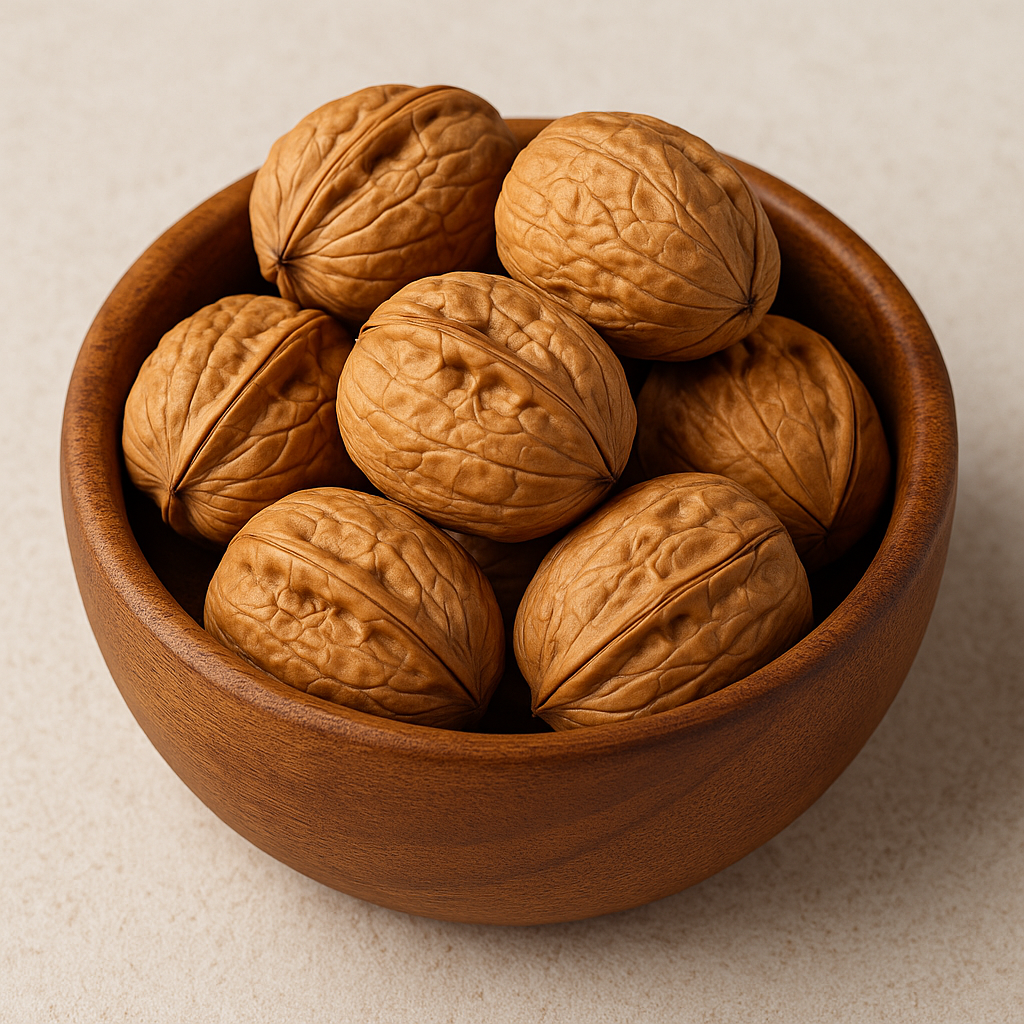
🌰 12. Walnuts: Brain and Heart Superfood with Omega-3 Benefits
Nutrients & Benefits: Walnuts are packed with plant-based omega-3s, polyphenols, and protein. A handful (about 28g) provides 4 grams of protein and 2 grams of fiber.
Wellness Impact: Research published in Circulation linked walnut consumption to a 21% lower risk of heart disease. Their omega-3s also support brain health and may improve memory and mood.
How to Eat: Snack on them raw, sprinkle over oatmeal, or mix into baked goods.
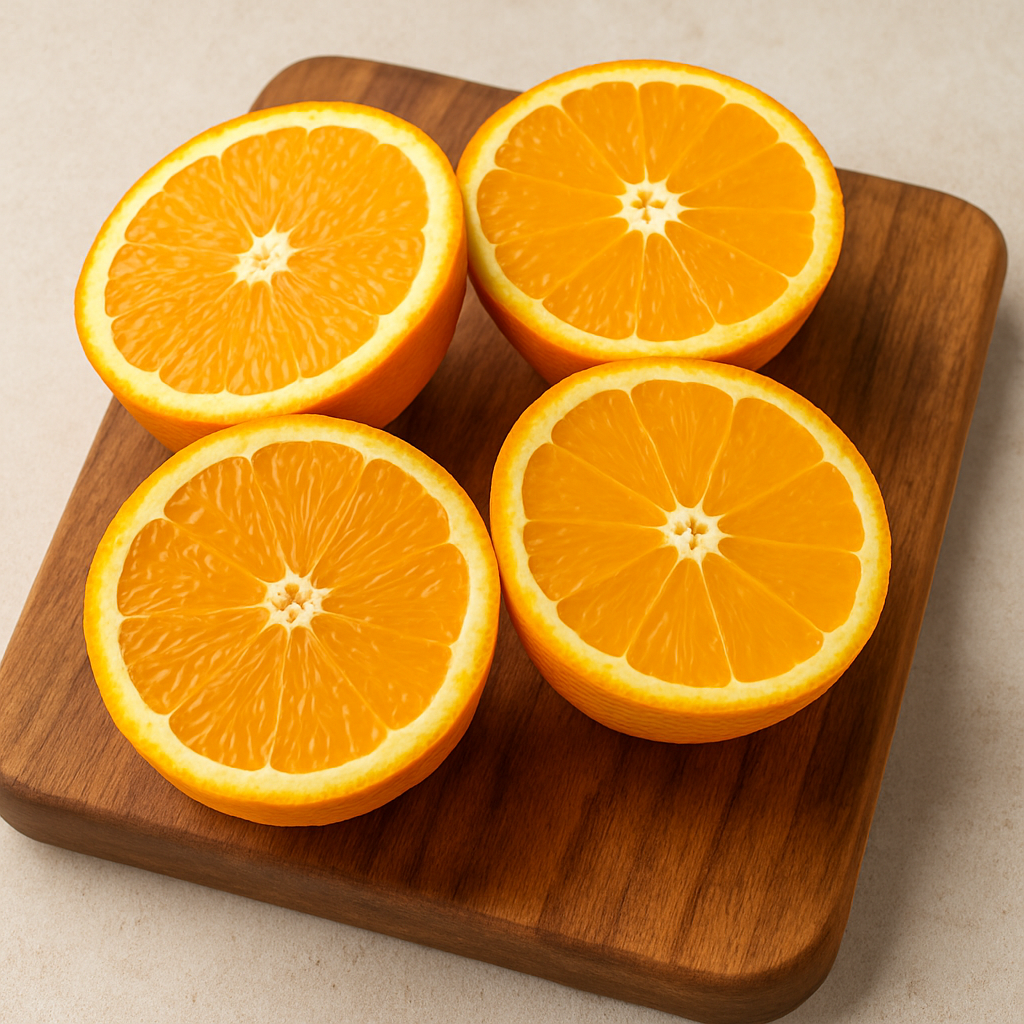
🍊 13. Oranges: Vitamin C Superfood for Immunity and Skin Health
Nutrients & Benefits: Oranges are a classic source of vitamin C — just one medium fruit provides over 90% of the daily recommended intake. They also contain potassium and folate.
Wellness Impact: Vitamin C enhances immune defense and skin health by promoting collagen production. A study in the American Journal of Clinical Nutrition found higher vitamin C intake reduces risk of chronic diseases and supports healthy aging.
How to Eat: Enjoy fresh, squeeze for juice, or add slices to salads for a citrus kick.
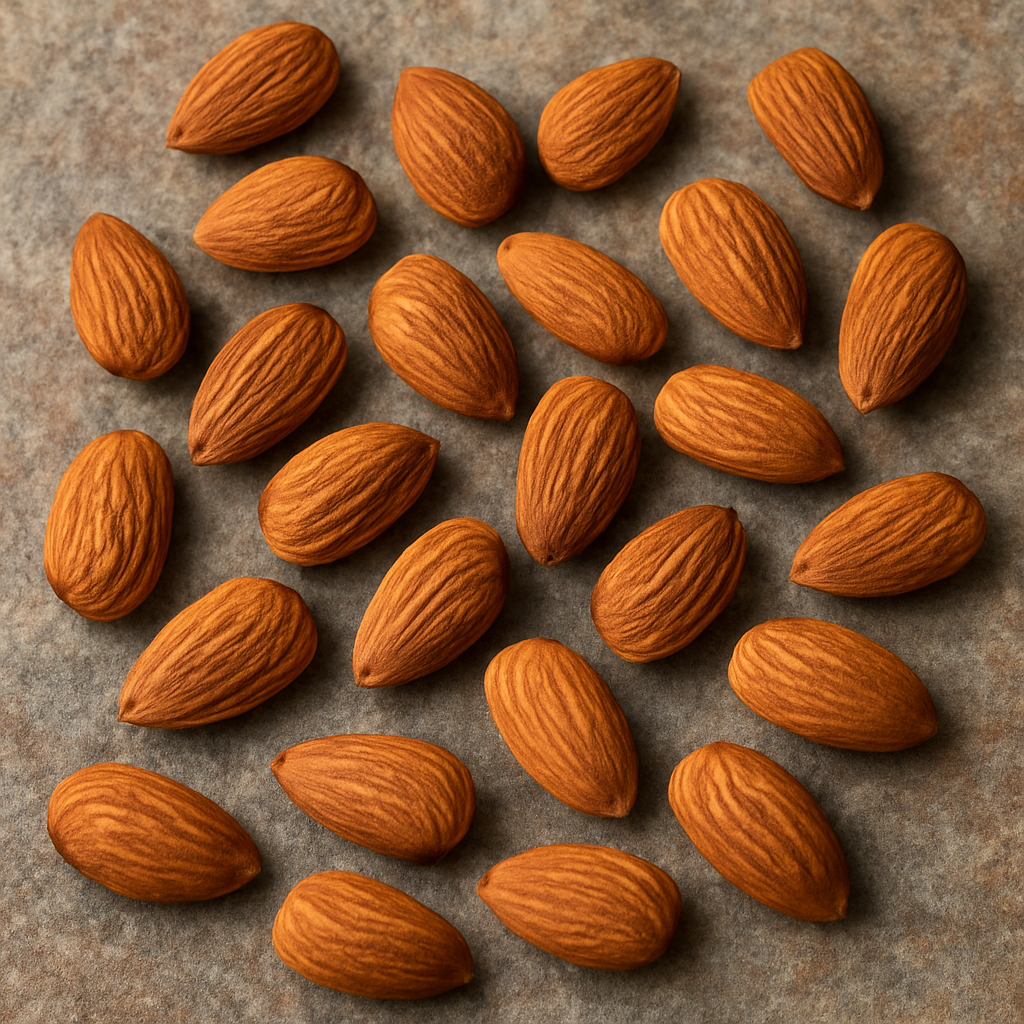
🌰 14. Almonds: Vitamin E Superfood for Heart and Skin Protection
Nutrients & Benefits: Almonds are rich in vitamin E, magnesium, and healthy fats. One ounce (about 23 almonds) provides 37% of the daily vitamin E requirement.
Wellness Impact: A study in Metabolism found that almond consumption reduced LDL cholesterol by 5–10% in just six weeks. Vitamin E also protects skin cells from oxidative stress, keeping skin youthful.
How to Eat: Snack raw, blend into almond butter, or chop over salads and yogurt.
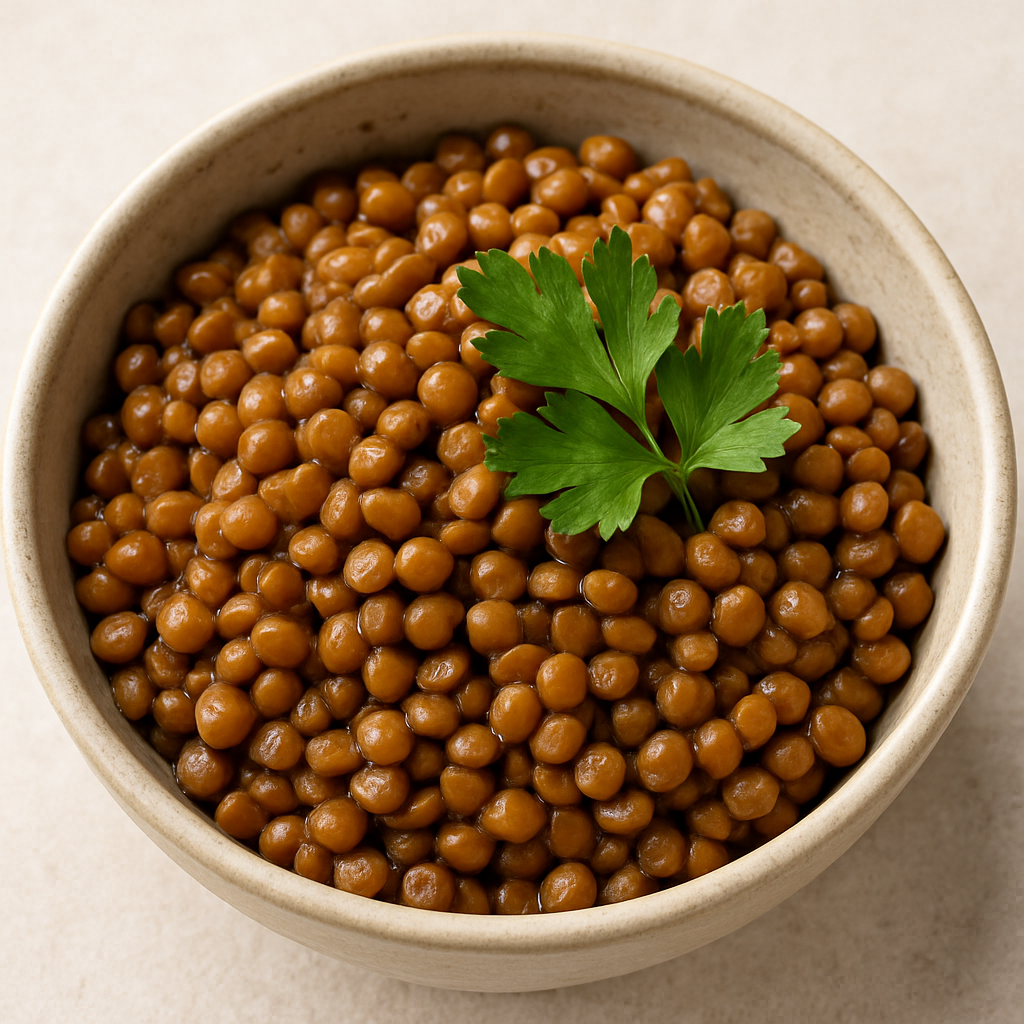
🍲 15. Lentils: Protein-Rich Superfood for Energy and Blood Sugar Control
Nutrients & Benefits: Lentils are affordable, protein-rich legumes with 15 grams of protein and 16 grams of fiber per cup. They’re also a great source of iron and folate.
Wellness Impact: A study in The American Journal of Clinical Nutrition found lentil consumption improves blood sugar control and lowers cholesterol. Their high fiber content supports digestive health and long-term energy.
How to Eat: Add to soups, stews, and curries, or use in salads and veggie burgers.
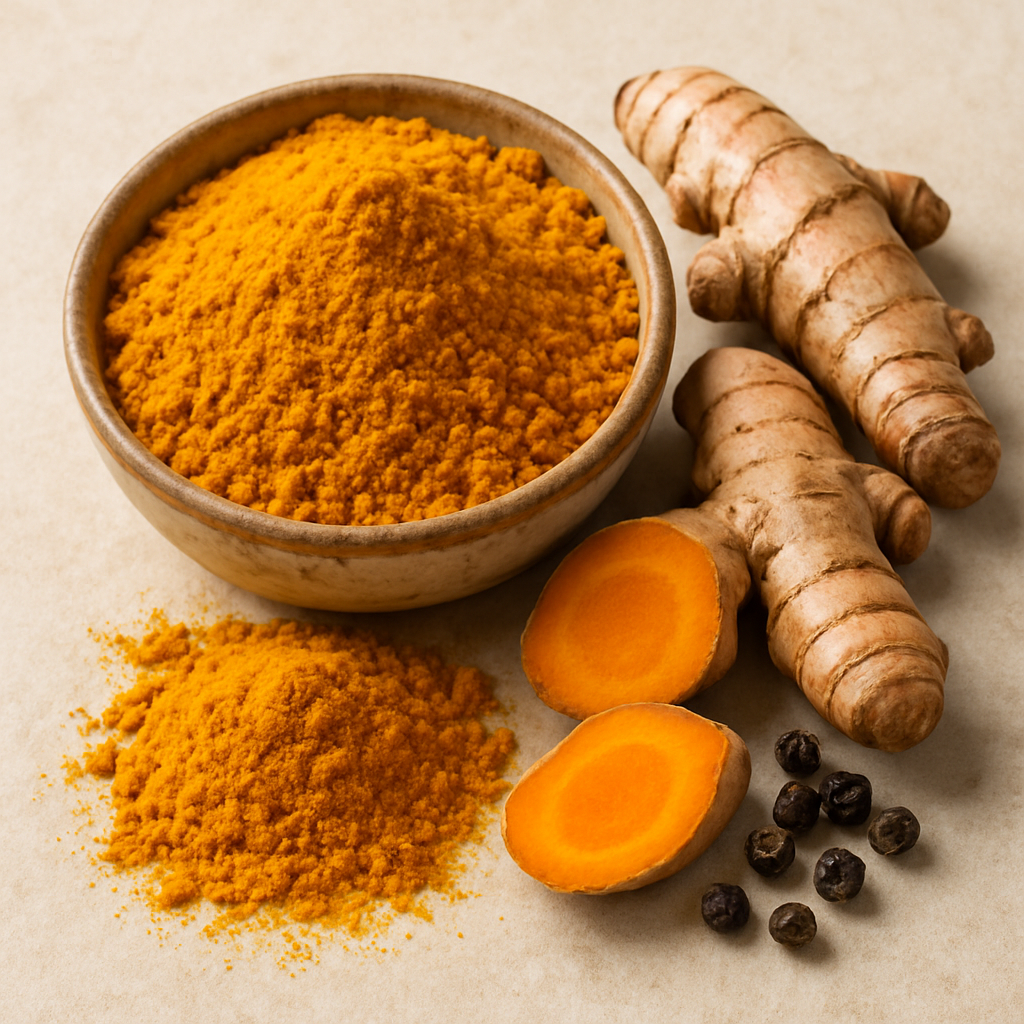
🌿 16. Turmeric: Anti-Inflammatory Superfood for Immunity and Healing
Nutrients & Benefits: Turmeric contains curcumin, a bioactive compound with strong anti-inflammatory and antioxidant properties. It also provides manganese and iron.
Wellness Impact: Chronic inflammation is linked to diseases like heart disease, cancer, and Alzheimer’s. Studies show curcumin can reduce inflammatory markers by up to 30%. Research in the Journal of Clinical Immunology found turmeric may boost the activity of immune cells, strengthening defense against infections.
How to Eat: Add turmeric to curries, golden milk, or sprinkle into soups. Combine with black pepper to increase curcumin absorption by up to 2000%.
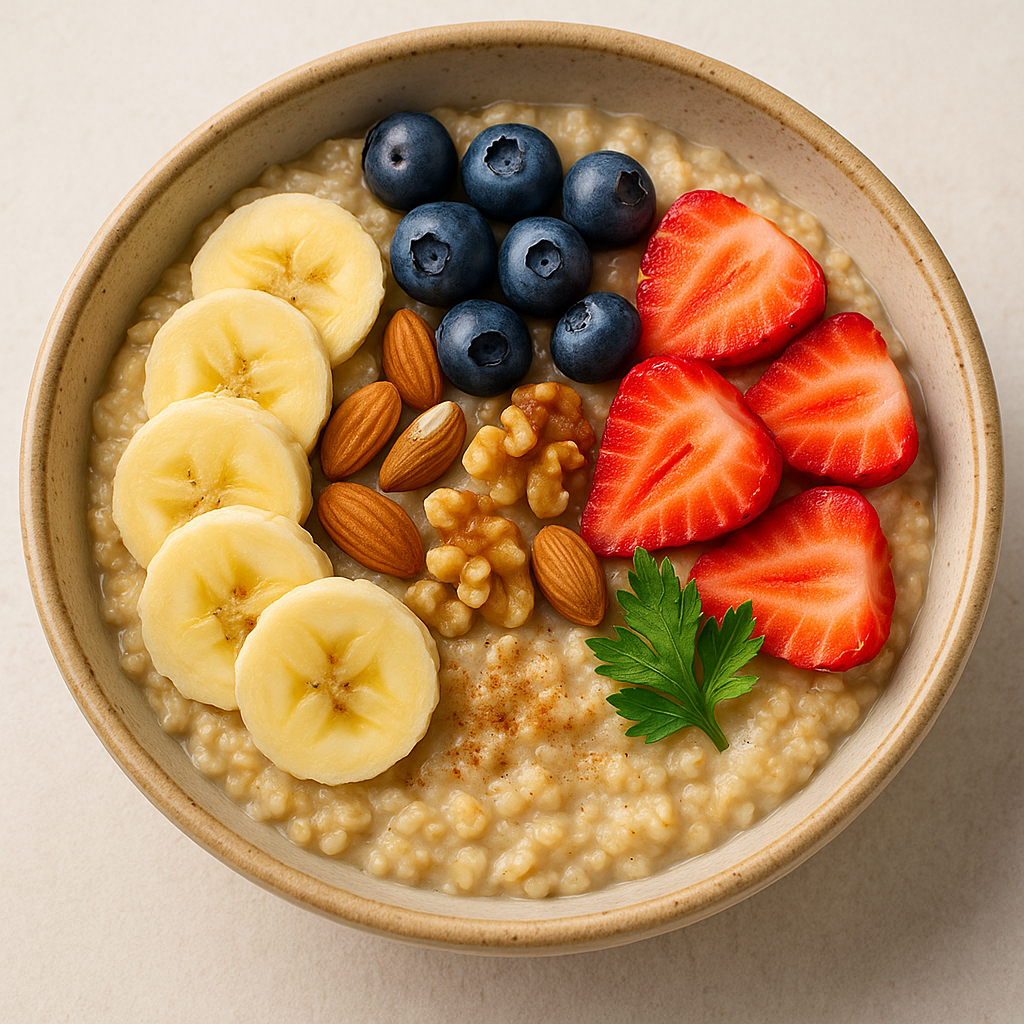
🌾 17. Oats: Fiber-Rich Superfood for Heart Health and Lasting Energy
Nutrients & Benefits: Oats are rich in beta-glucan, a soluble fiber that lowers cholesterol. They also provide magnesium, iron, and plant-based protein.
Wellness Impact: Research shows eating just 3 grams of beta-glucan daily (found in a bowl of oatmeal) can lower LDL cholesterol by 5–10%. Oats also help stabilize blood sugar and promote satiety, making them ideal for energy balance.
How to Eat: Cook into oatmeal, bake into granola bars, or blend into smoothies.
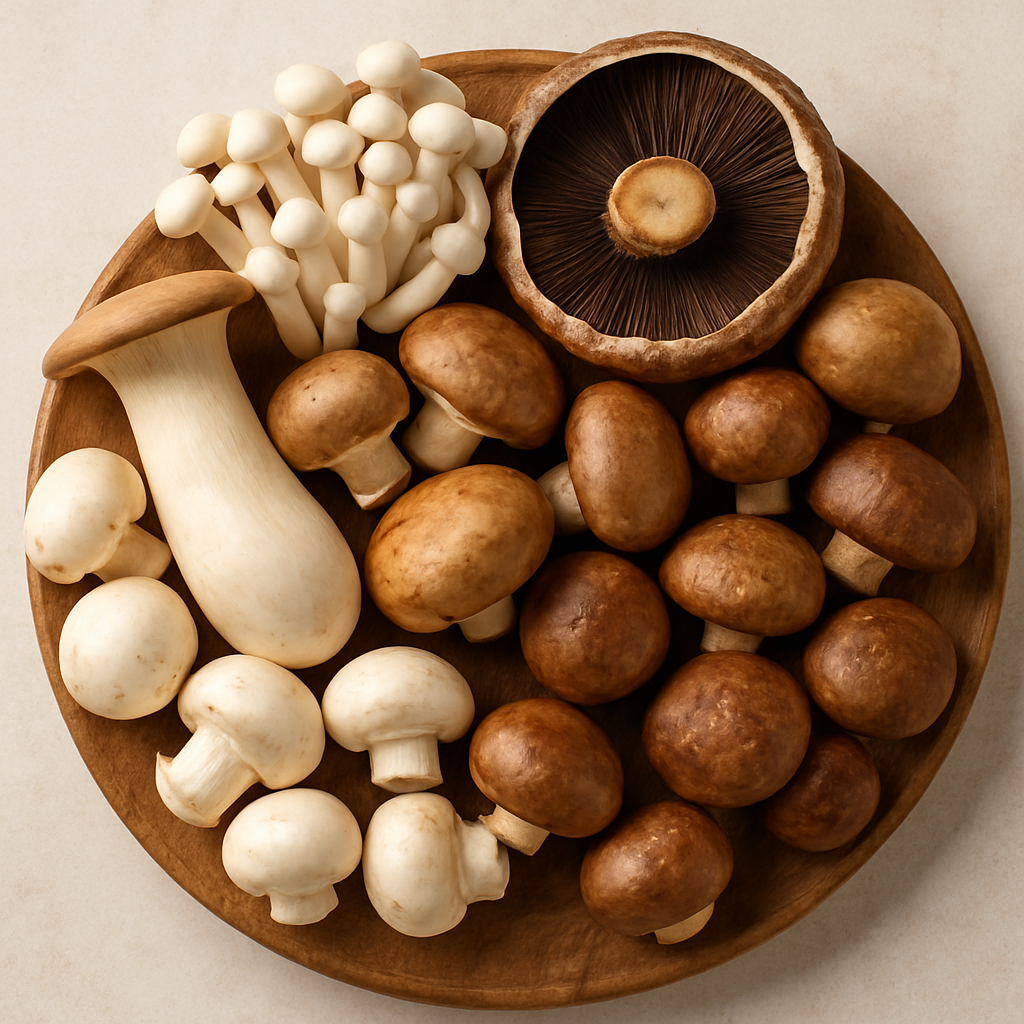
🍄 18. Mushrooms: Immune-Boosting Superfood with Vitamin D Benefits
Nutrients & Benefits: Mushrooms are low in calories but high in selenium, vitamin D, and antioxidants like ergothioneine.
Wellness Impact: A study in Advances in Nutrition found mushroom consumption improves immune response and may reduce risk of upper respiratory infections. Vitamin D from mushrooms exposed to sunlight helps strengthen bones and immunity.
How to Eat: Sauté with garlic, grill as a burger substitute, or add to soups and stir-fries.
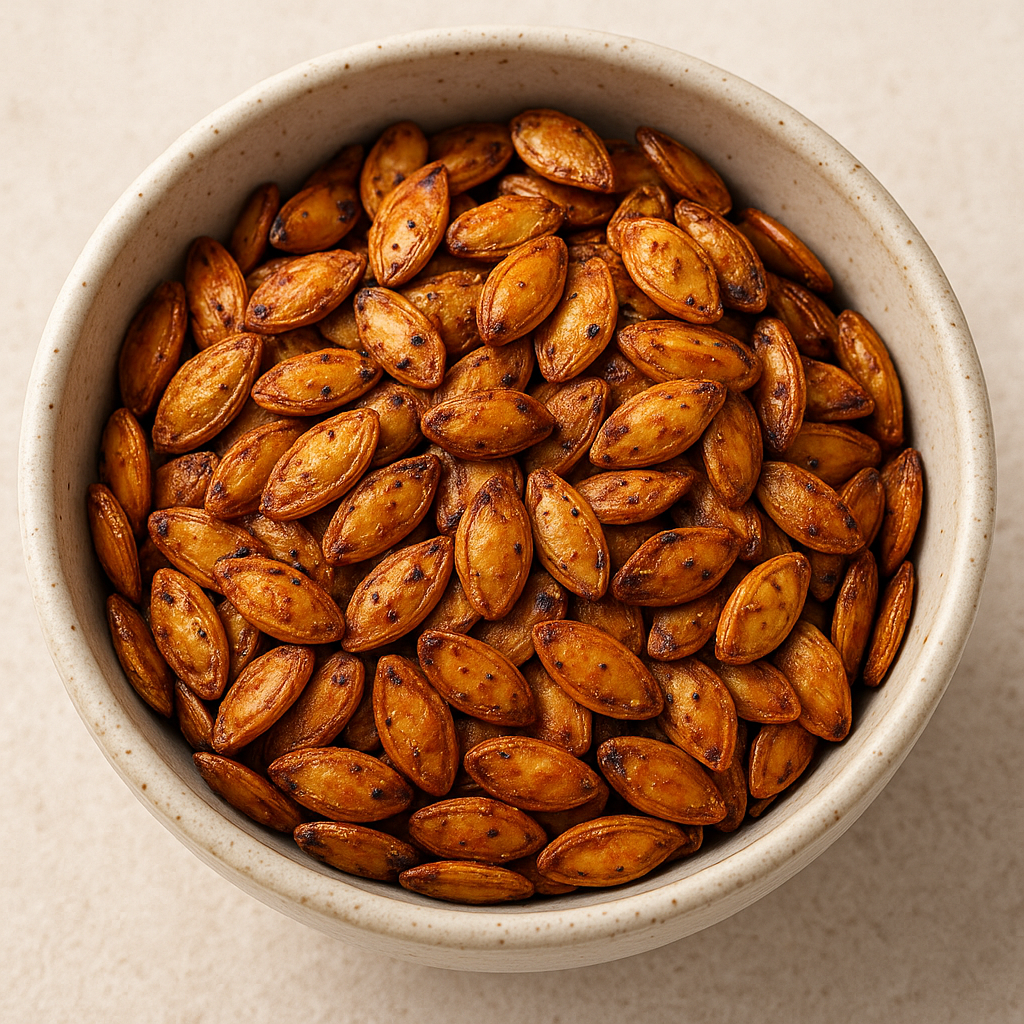
🎃 19. Pumpkin Seeds: Magnesium-Rich Superfood for Energy and Sleep
Nutrients & Benefits: Pumpkin seeds (pepitas) are rich in magnesium, zinc, protein, and healthy fats. Just one ounce provides 37% of daily magnesium needs.
Wellness Impact: Magnesium supports over 300 biochemical reactions in the body, including energy production and muscle function. Zinc strengthens immune function. A study in Food Research International showed pumpkin seeds may help regulate blood pressure and blood sugar.
How to Eat: Snack roasted, sprinkle on salads, or blend into smoothies.
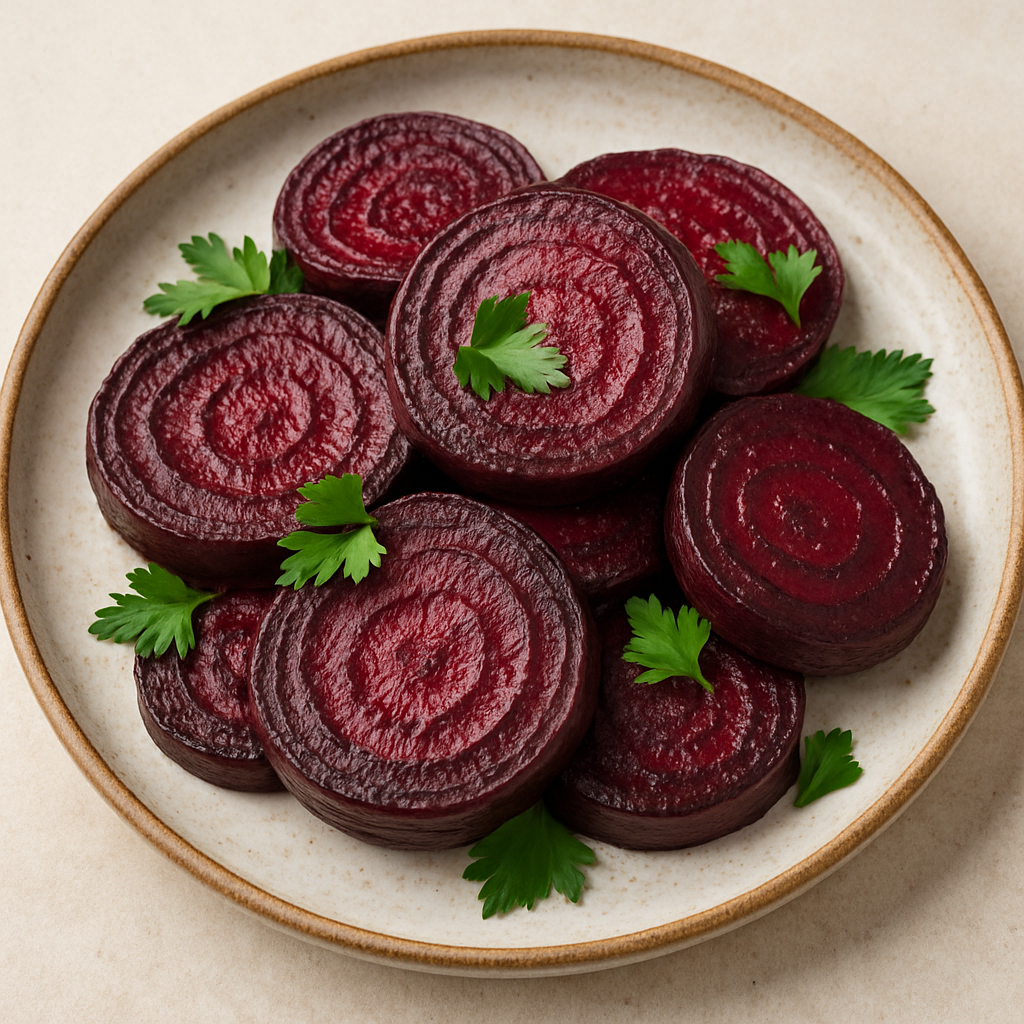
❤️ 20. Beets: Nitrate-Rich Superfood for Stamina and Heart Health
Nutrients & Benefits: Beets are high in folate, manganese, and nitrates, compounds that improve blood flow and lower blood pressure.
Wellness Impact: A study in Hypertension found that drinking beetroot juice lowered blood pressure by 7.7 mmHg systolic. Beets also enhance stamina by improving oxygen use, making them popular among athletes.
How to Eat: Roast for a sweet flavor, juice for a quick boost, or grate raw into salads.
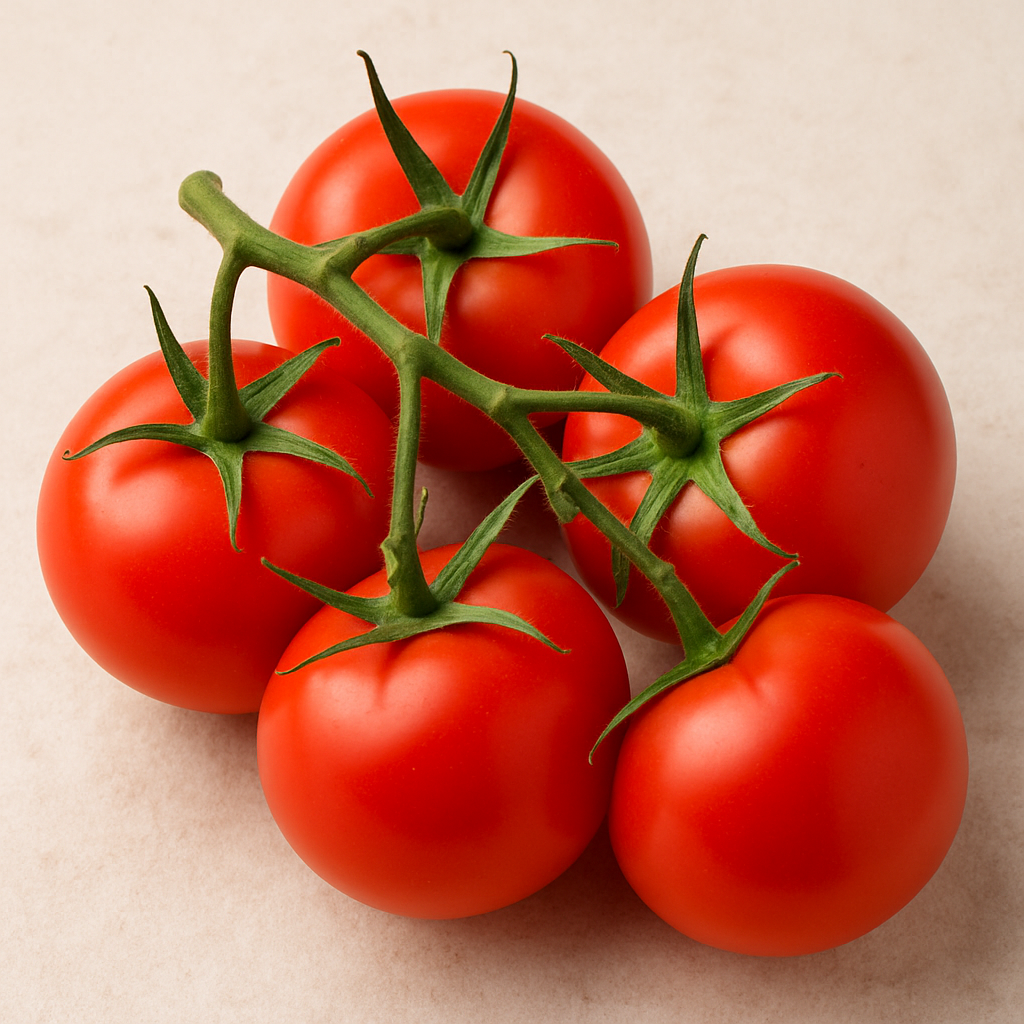
🍅 21. Tomatoes: Lycopene Superfood for Heart and Cancer Protection
Nutrients & Benefits: Tomatoes are rich in lycopene, a powerful antioxidant linked to reduced cancer and heart disease risk. They also contain vitamin C, potassium, and folate.
Wellness Impact: A large meta-analysis in Scientific Reports found high lycopene intake lowered the risk of stroke by 19%. Lycopene is more bioavailable in cooked tomatoes, like sauces or soups, than in raw form.
How to Eat: Slice fresh for salads, blend into sauces, or roast for a concentrated flavor.
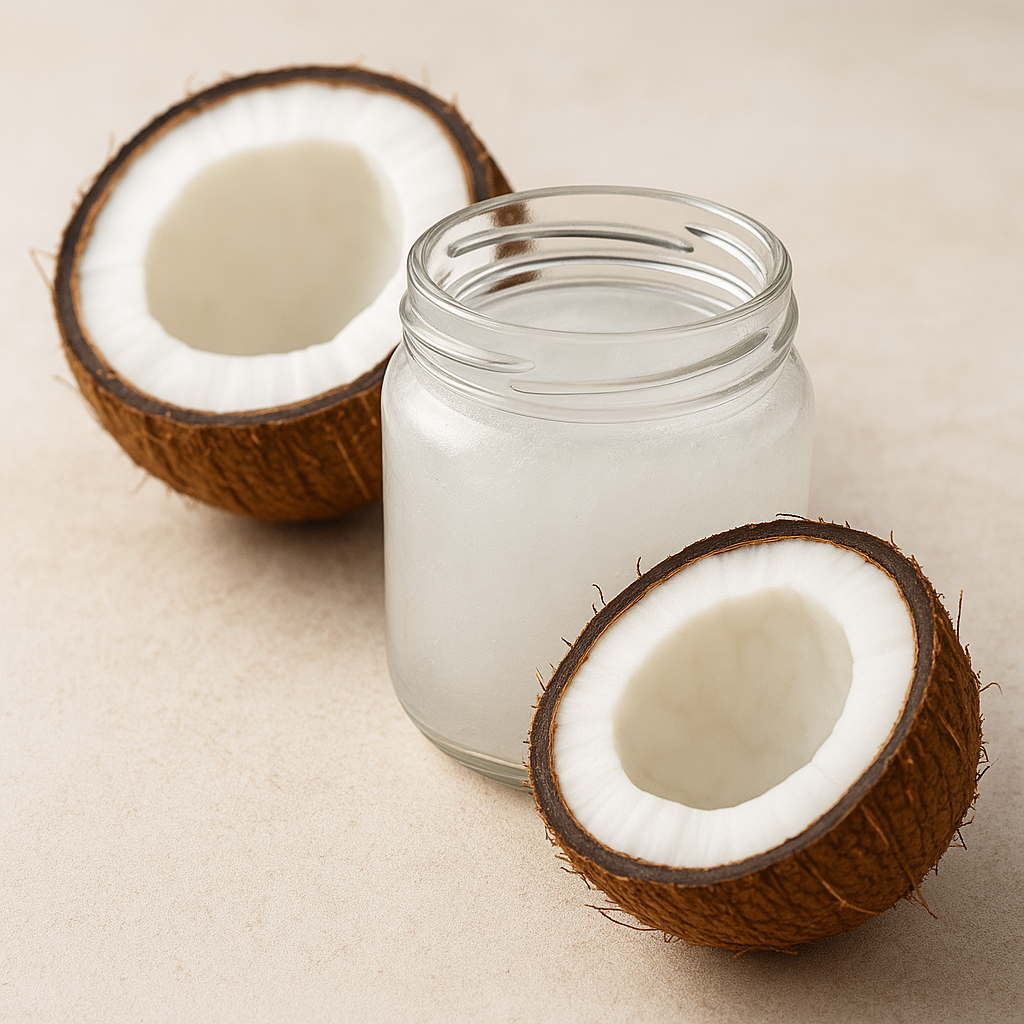
🥥 22. Coconut Oil: Healthy Fat Superfood for Energy and Immunity
Nutrients & Benefits: Coconut oil contains medium-chain triglycerides (MCTs), which are metabolized quickly for energy instead of being stored as fat.
Wellness Impact: A study in the Journal of Nutrition showed MCTs increase calorie burning by 5% over 24 hours. Coconut oil also has antimicrobial properties, helping fight harmful bacteria.
How to Eat: Use in cooking, baking, or add a teaspoon to coffee for a natural energy lift.
🍓 23. Strawberries: Vitamin C Superfood for Heart and Blood Sugar
Nutrients & Benefits: Strawberries are packed with vitamin C, manganese, and antioxidants like ellagic acid. One cup provides more vitamin C than an orange.
Wellness Impact: A study from the Harvard School of Public Health found women who ate strawberries and blueberries 3 times per week had a 34% lower risk of heart attack. They also help regulate blood sugar after meals.
How to Eat: Eat fresh, add to cereal, or blend into smoothies.
🌾 24. Flaxseeds: Omega-3 Superfood for Hormone Balance and Heart Health
Nutrients & Benefits: Flaxseeds are rich in omega-3 fatty acids, fiber, and lignans, which support hormone balance.
Wellness Impact: A review in The American Journal of Clinical Nutrition showed flaxseed reduces LDL cholesterol by 10–15%. Its lignans have antioxidant properties that may reduce cancer risk.
How to Eat: Always grind before eating to unlock nutrients. Sprinkle on oatmeal, stir into yogurt, or add to baked goods.
🍫 25. Dark Chocolate (70%+) → Dark Chocolate: Antioxidant Superfood for Heart and Mood
Nutrients & Benefits: Dark chocolate is rich in flavonoids, magnesium, and iron. The higher the cocoa content, the more antioxidants it contains.
Wellness Impact: A study in BMJ found regular dark chocolate consumption reduced the risk of heart disease by 37%. Flavonoids improve circulation, lower blood pressure, and even boost mood by increasing serotonin.
How to Eat: Enjoy 1–2 small squares daily as a guilt-free indulgence.
🍴 How to Add Superfoods to Your Daily Diet for Energy and Wellness
You don’t need to eat all 25 superfoods every single day. Start small, rotate them, and focus on variety. Here’s a simple superfood meal plan to show how you can enjoy these foods throughout the day:
Breakfast: Overnight oats with chia seeds, blueberries, flaxseeds, and Greek yogurt.
Snack: A handful of almonds and green tea.
Lunch: Quinoa salad with spinach, tomatoes, avocado, and pumpkin seeds.
Snack: Strawberries with a square of dark chocolate.
Dinner: Grilled salmon with roasted broccoli, sweet potatoes, and garlic mushrooms.
Drink: Golden milk with turmeric before bed.
🙋 FAQs About Superfoods
Q1: What makes a food a “superfood”? Superfoods are nutrient-dense foods that deliver above-average amounts of vitamins, minerals, and antioxidants, offering extra health benefits like disease prevention or improved energy.
Q2: Do I need to eat all 25 superfoods every week? Not at all. Start with 4–5 that fit your lifestyle and gradually expand. Variety matters more than perfection.
Q3: Are superfoods expensive or hard to find? No — many (like oats, lentils, spinach, garlic) are inexpensive pantry staples. Exotic ones are optional, not essential.
Q4: Can superfoods replace medication? Superfoods support wellness but don’t replace medical treatment. Think of them as daily health insurance, not a cure-all.
🌟 Conclusion
Adding superfoods to your daily diet isn’t a passing trend — it’s a science-backed way to boost energy, strengthen immunity, and support long-term health. From antioxidant-rich blueberries for brain function, to omega-3-packed salmon for heart health, and anti-inflammatory turmeric for overall wellness, these 25 superfoods are proven to deliver powerful results.
You don’t need to include all 25 every day. Start with just a few that fit your lifestyle and rotate them weekly. Over time, these small, consistent choices will add up to big benefits: more energy, better focus, a stronger immune system, and everyday wellness.
Ready to take the first step? Begin today by adding 3–4 superfoods to your next meal and feel the difference in your health and vitality.